
Train Classes
From private AC First cabins to budget Sleeper berths, find the class that suits your trip.
Compare classesSearch India trains — pick your departure and arrival stations, choose a date, and see available trains and classes.
🔒 You will be re-directed to High-Speed Trains®, our trusted partner for train tickets
India trains carry more people every day than most countries have residents. Indian Railways runs more than 13,000 passenger trains a day over a network of roughly 68,000 km, linking megacities, hill stations, desert forts and tropical coastline. For foreign travellers, the train is often the most comfortable, affordable and memorable way to cover long distances in India.
This guide covers the train types you'll see on a timetable, the travel classes from sleeper class to AC First, how far ahead to book, and the popular routes most visitors ride. When you're ready, use the search above to compare times and fares and book your train ticket in English, with an international card.
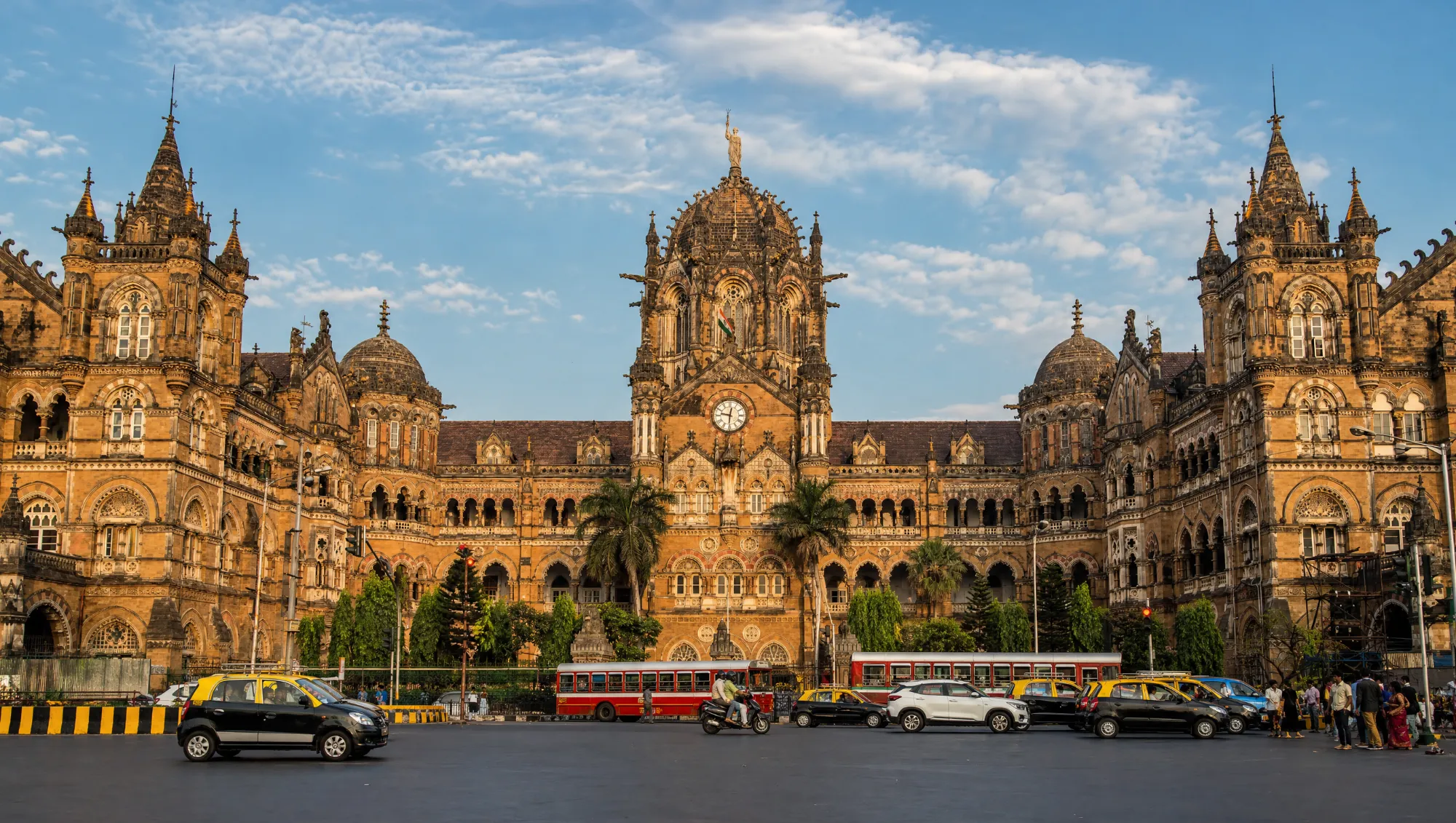
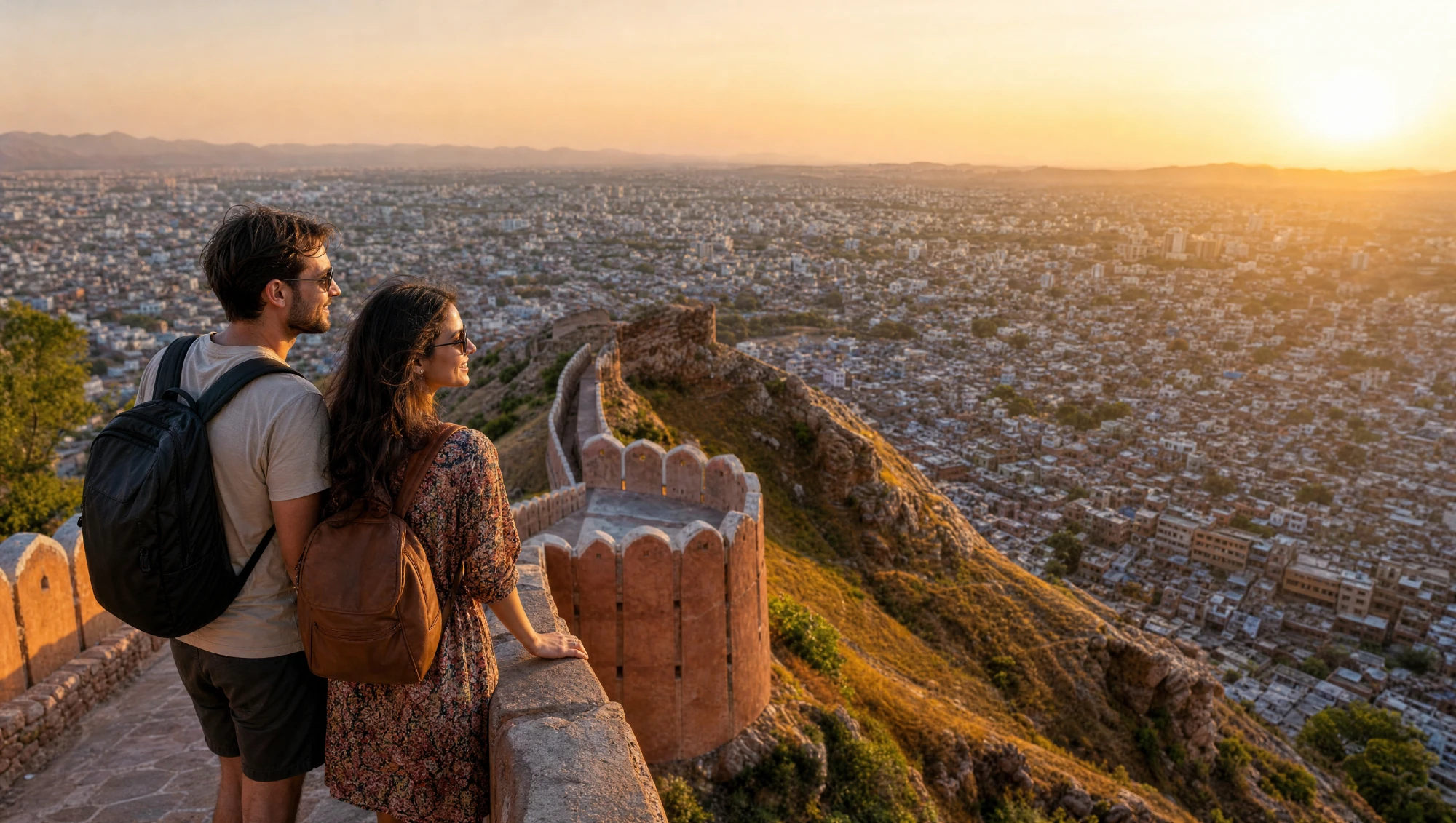
Indian Railways is the fourth-largest railway network in the world, after the US, China and Russia. Its railway line covers about 68,000 km of route and more than 7,000 train stations, from tiny halts to giant terminals. Almost all of India's rail network now runs on broad gauge (1,676 mm), wider than the standard gauge used in Europe and North America, which is part of why Indian trains feel roomy inside.
The first passenger service ran on 16 April 1853, from Bori Bunder in Mumbai to Thane, a 34 km trip. Bori Bunder later became Victoria Terminus, now Chhatrapati Shivaji Terminus, a UNESCO World Heritage Site still serving millions of passengers. India's first electric train ran in Bombay in 1925, and online e-ticket booking arrived in 2002.
Steam locomotives haven't vanished entirely. They still haul heritage runs on the mountain railways, where the toy train is a bucket-list ride in its own right.
From private AC First cabins to budget Sleeper berths, find the class that suits your trip.
Compare classes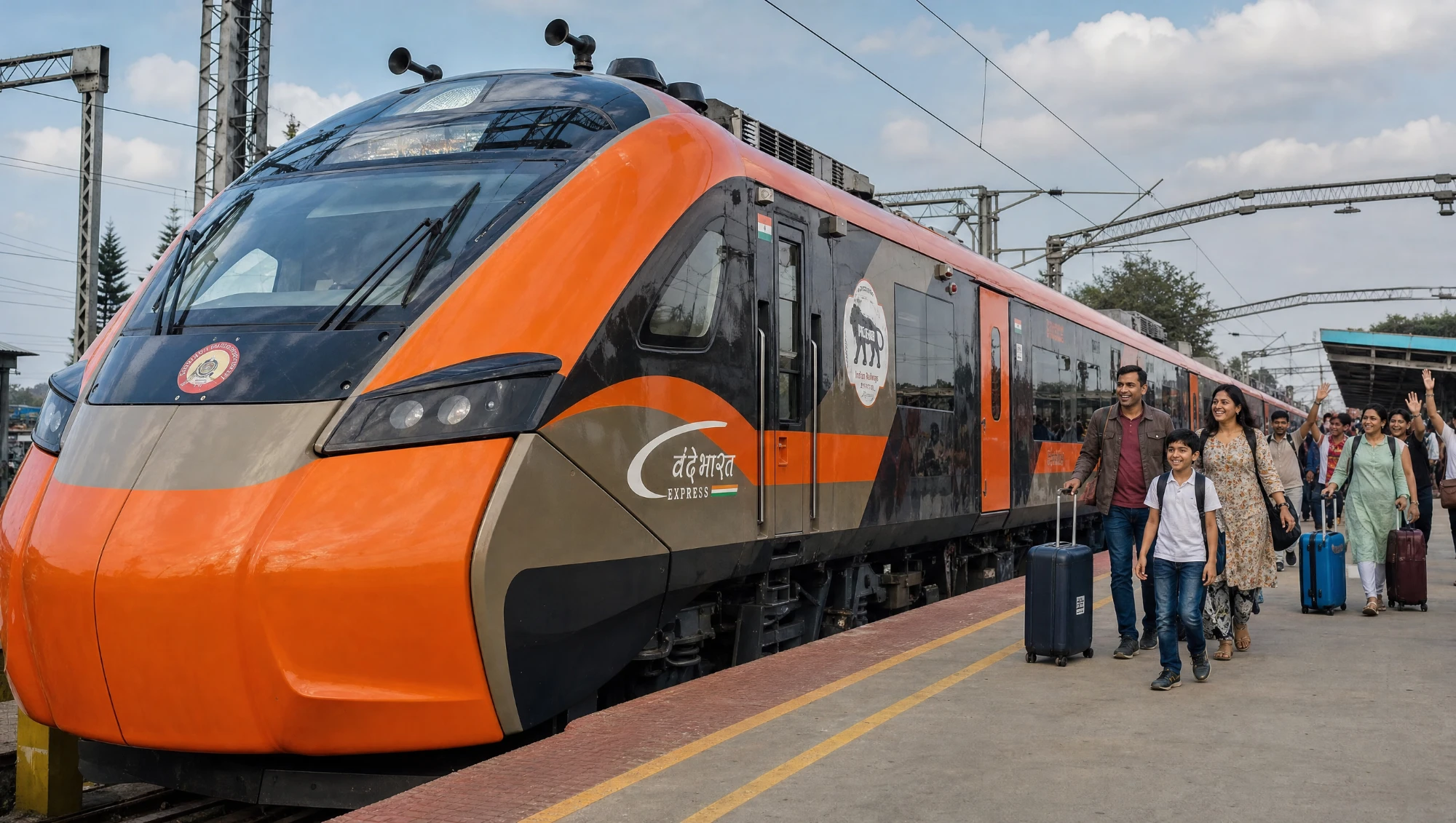
Vande Bharat, Gatimaan, Shatabdi and Rajdhani services connect India's major cities quickly.
Explore trainsThe train name on your ticket tells you a lot about speed, comfort and how many stops to expect. Here are the express trains, long distance trains and specialty services you'll meet most often.
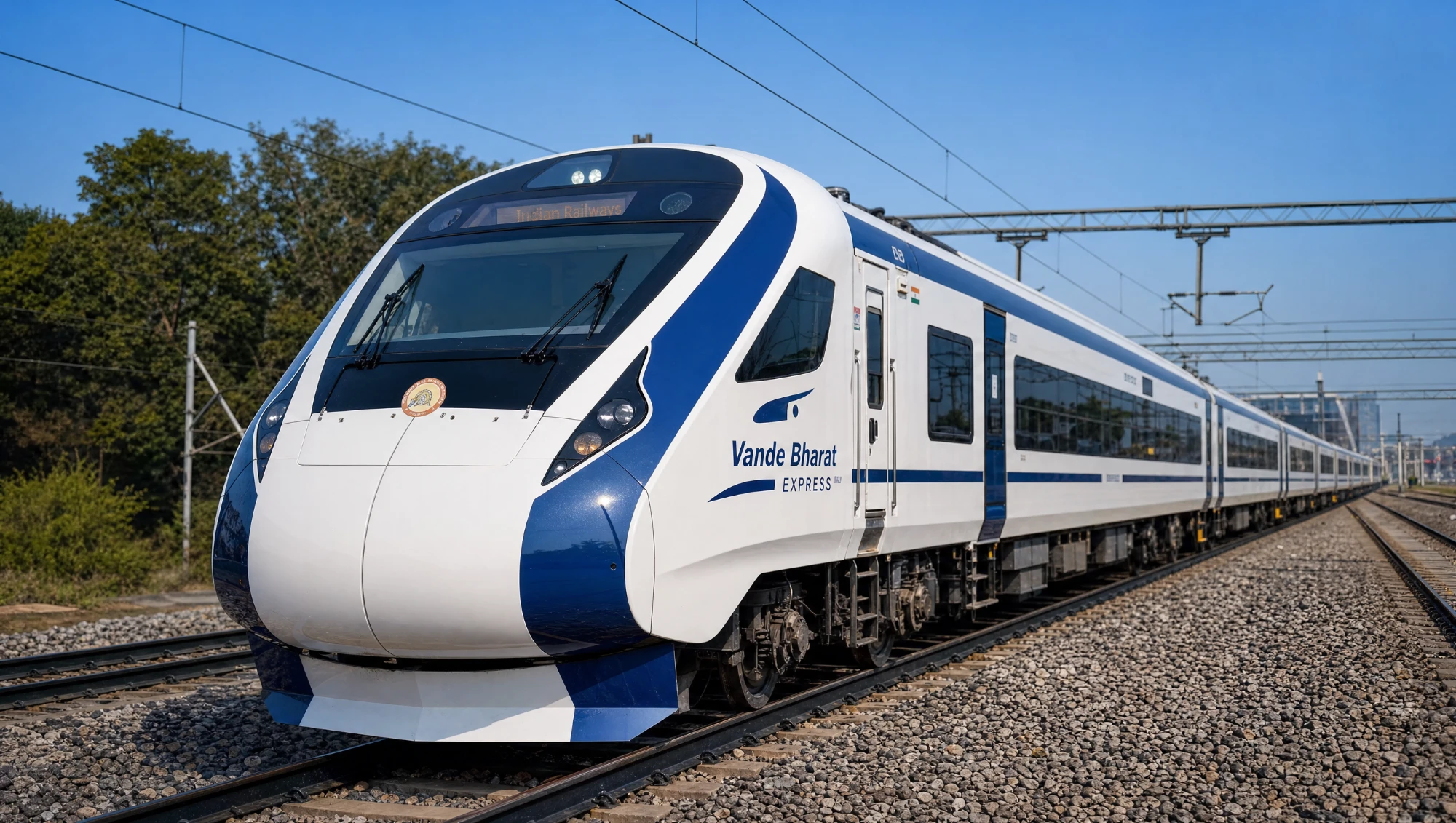
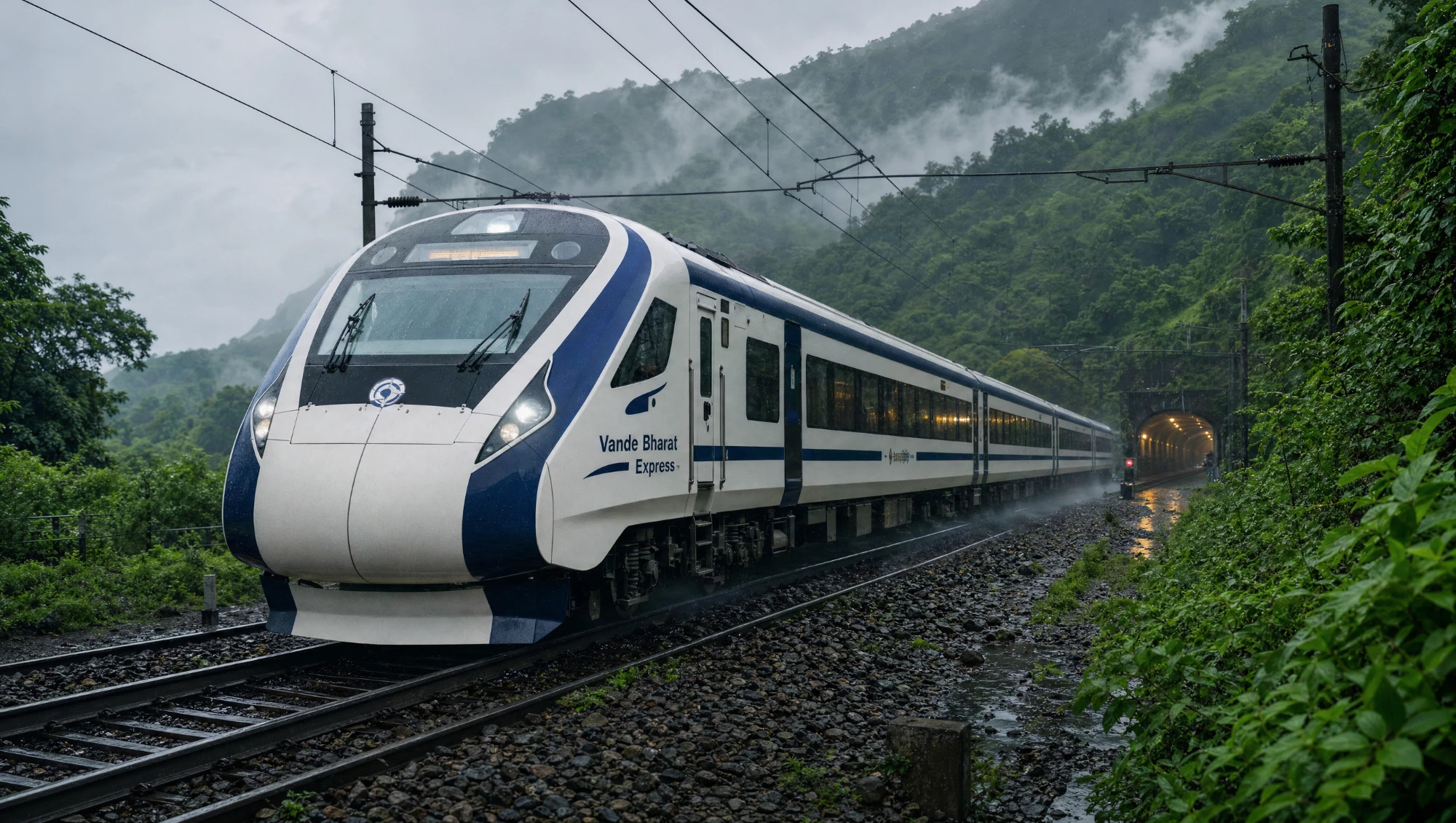
Vande Bharat Express is India's modern semi-high-speed electric train, introduced in 2019. The trainsets are designed for 180 km/h (110 mph) and run at up to 160 km/h on upgraded track, with quick acceleration, automatic doors, reclining seats and CCTV. Around 150 services now link major cities, mostly as fully air conditioned daytime chair car trains in AC Chair Car and AC Executive Chair Class. In January 2026 the first Vande Bharat Sleeper began running overnight between Howrah (Kolkata) and Guwahati, with AC First, AC 2-Tier and AC 3-Tier berths.
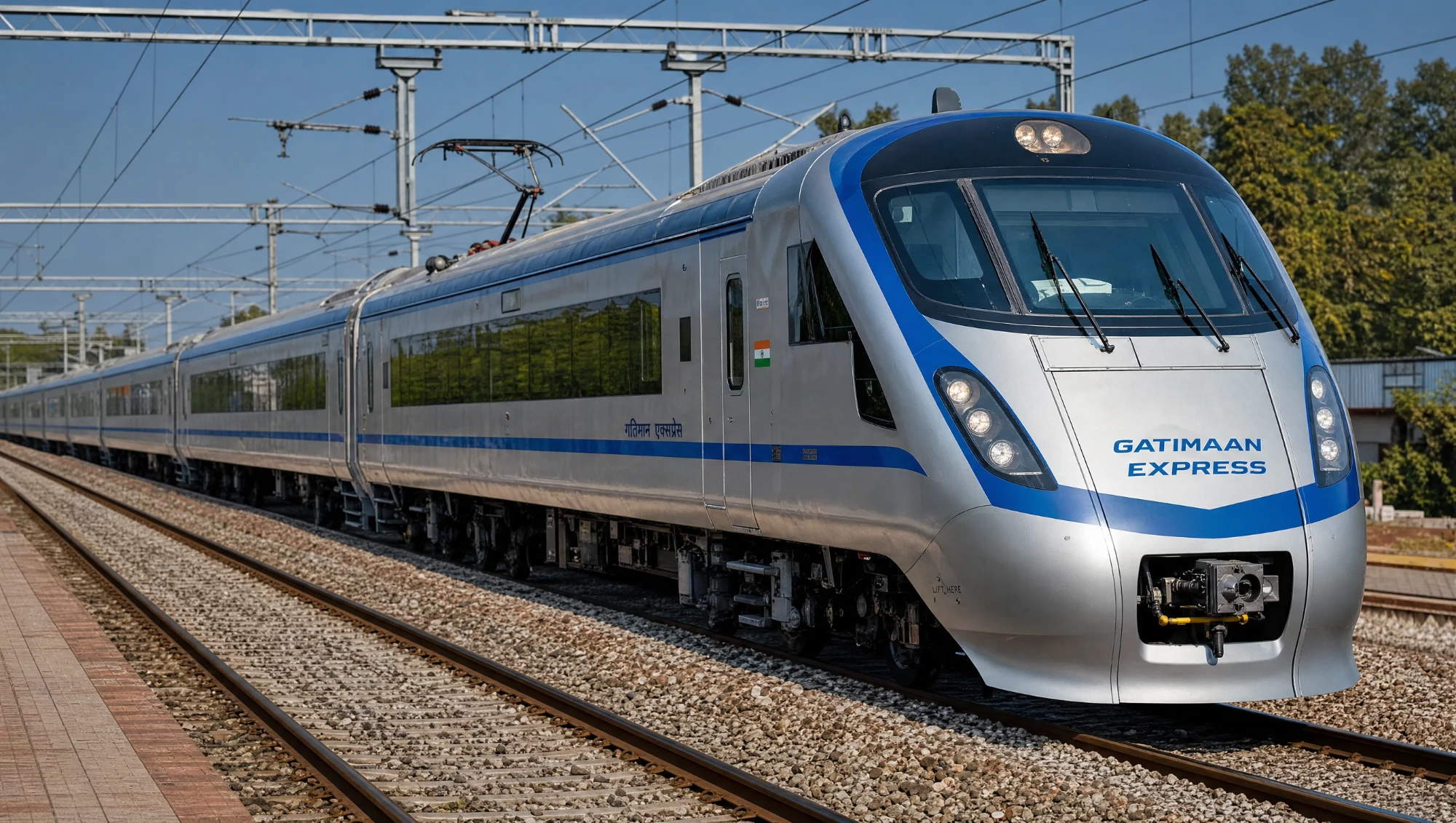
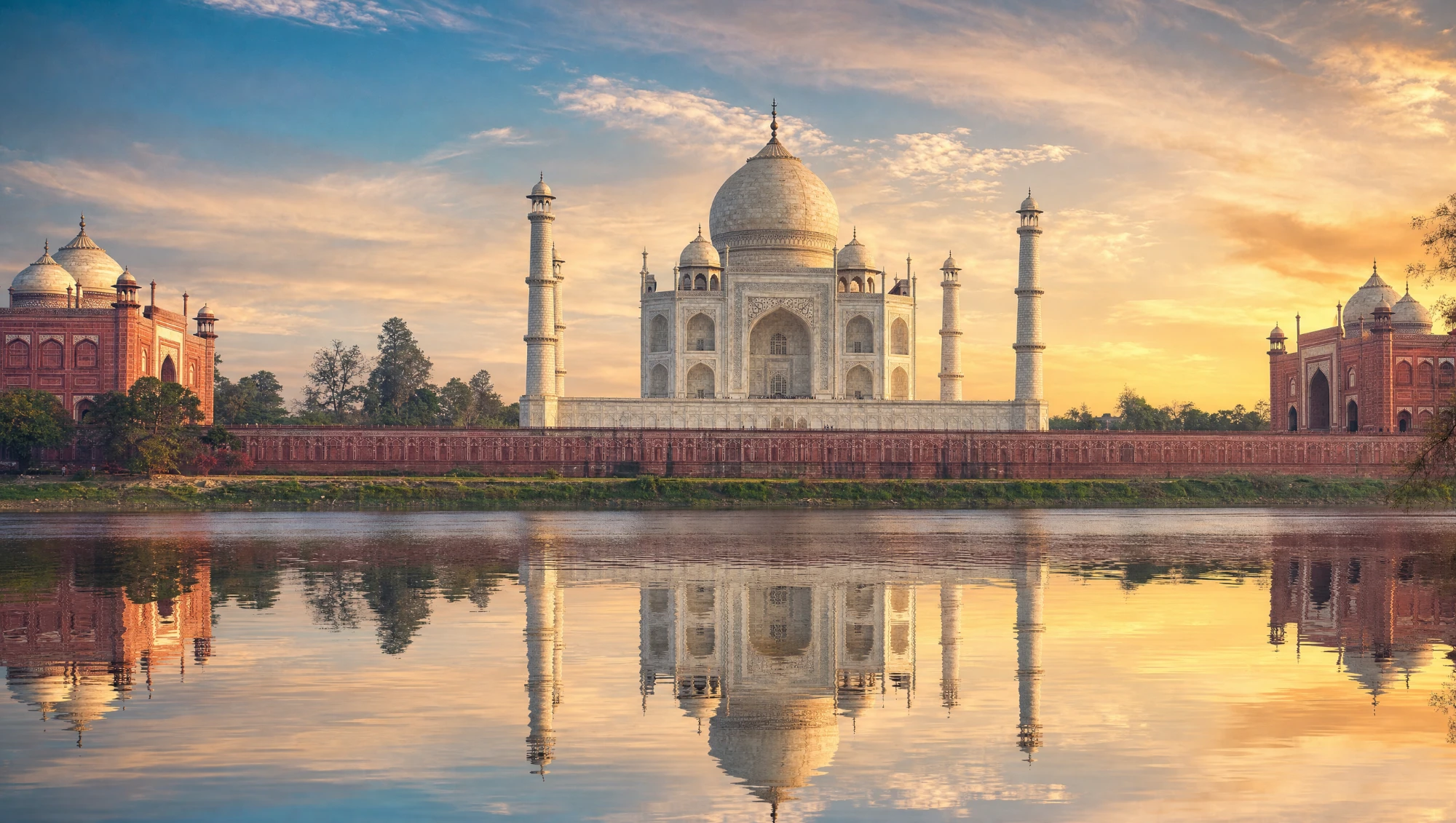
Gatimaan Express runs between Delhi (Hazrat Nizamuddin) and Agra at up to 160 km/h, covering the trip in about 1 hour 40 minutes. It's one of the easiest ways to do the Taj Mahal as a day trip from New Delhi.
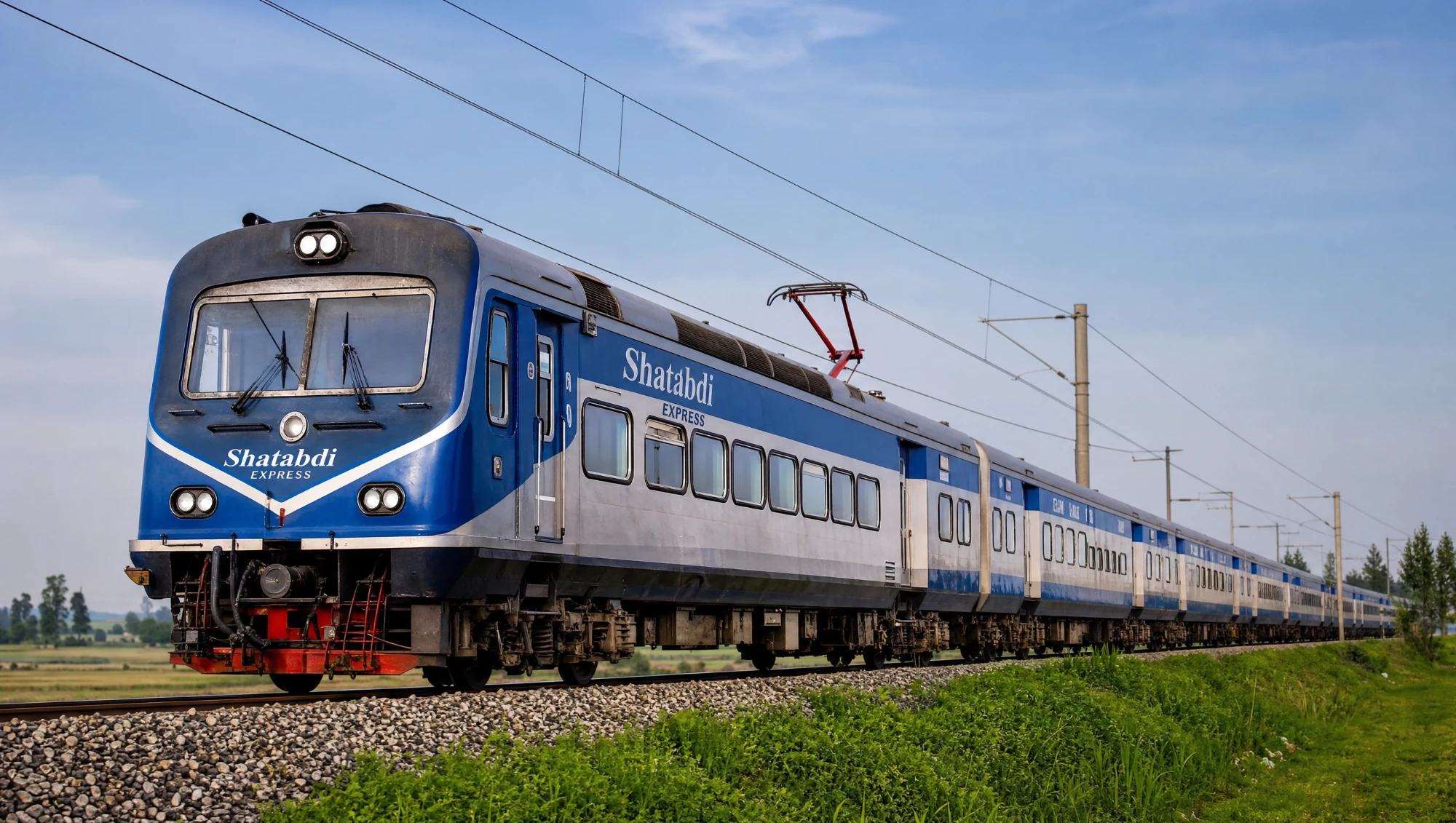
Shatabdi Express trains are premium daytime services connecting major cities within about 8 hours of each other. They run at up to 150 km/h (93 mph), are fully air conditioned, and meals are included in the fare. Expect AC Chair Car and AC Executive Chair Class seating, no berths.
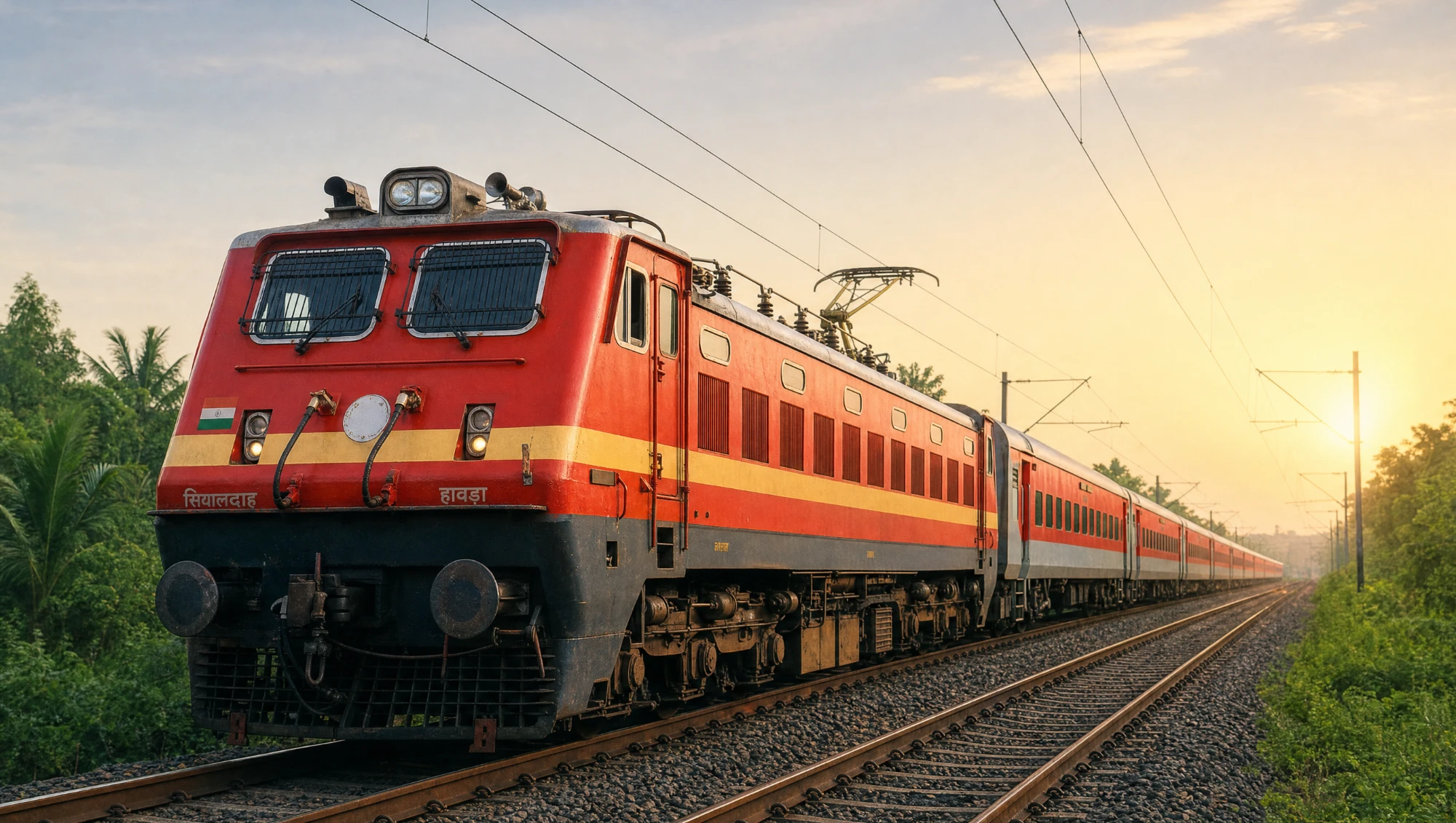
Rajdhani Express is the classic premium overnight train, linking New Delhi with state capitals across India. Top speeds reach about 130 km/h. All coaches are air conditioned (AC First, AC 2-Tier, AC 3-Tier), and meals, bedding, pillows and blankets are included.
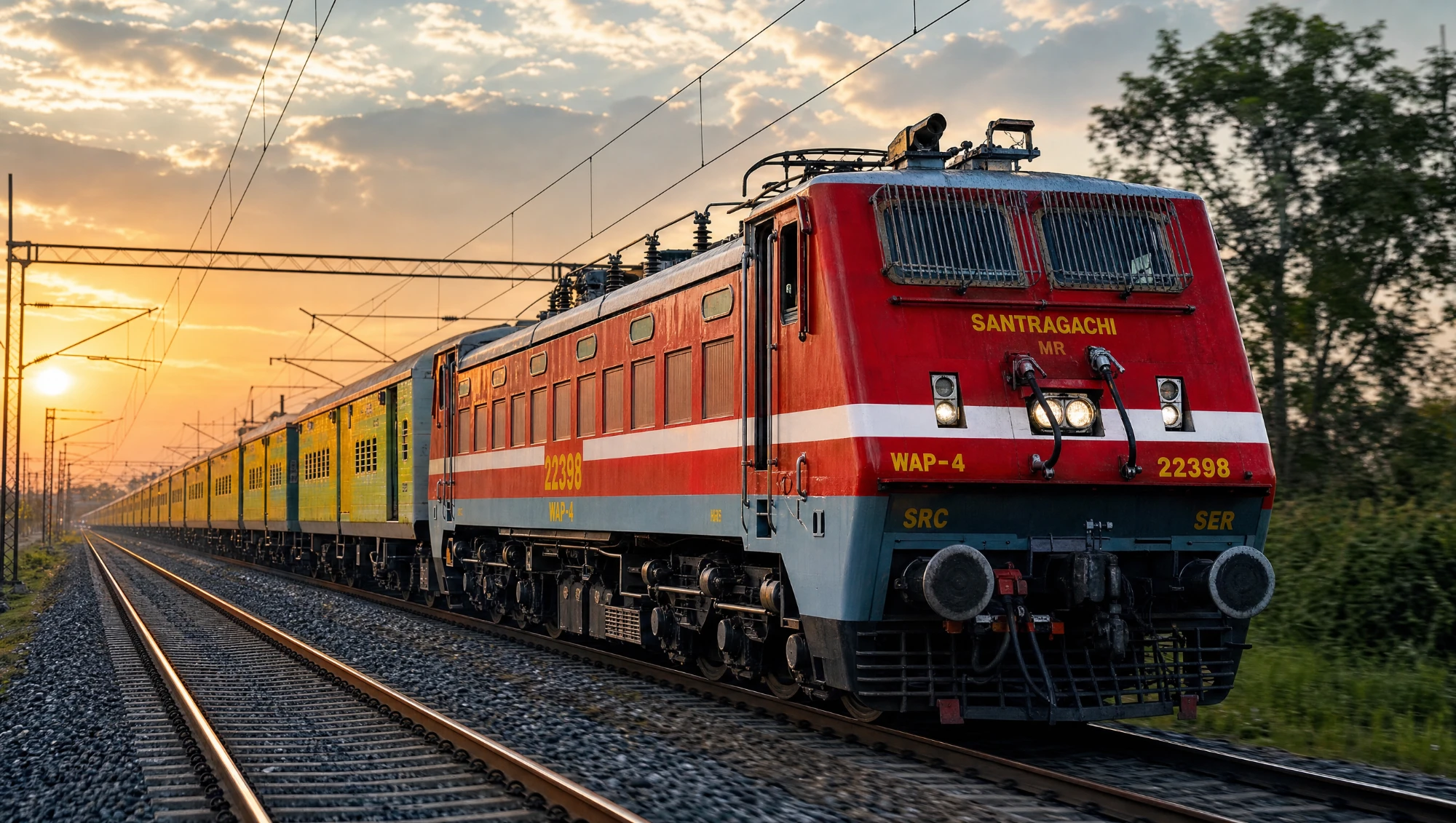
Duronto Express trains are long-distance rapid services with very few stops between major cities. They carry both AC classes and sleeper class, so they suit travellers who want speed without the Rajdhani price.
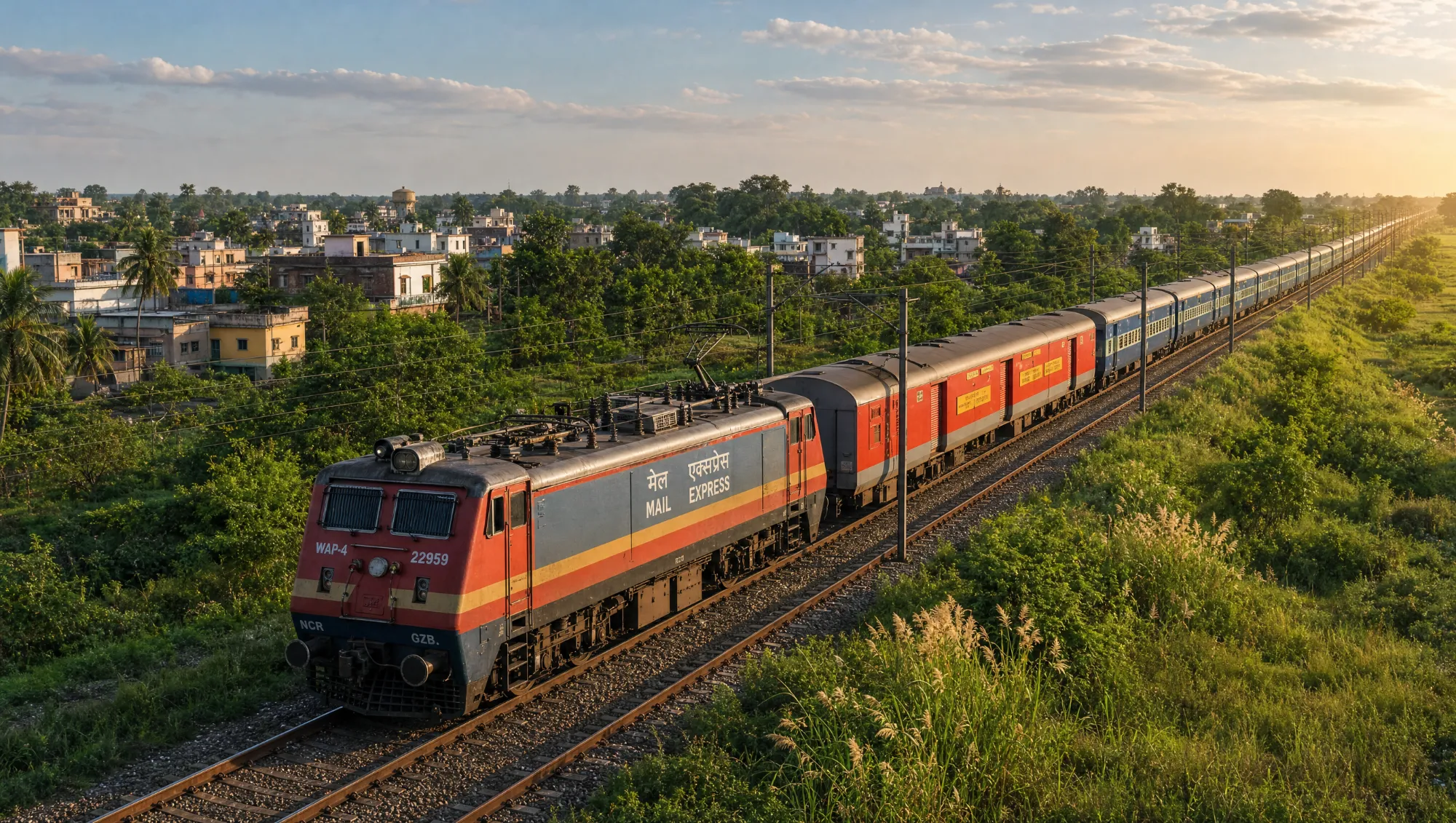
Mail and Express trains are the traditional backbone of long-distance passenger service in India. Most trains you'll find on a timetable fall into this group: slower than the premium names, but they reach major towns and smaller cities across the country, usually with sleeper class plus several air conditioned coaches. Newer variants include Humsafar (all AC 3-Tier) and Amrit Bharat (affordable non-AC).
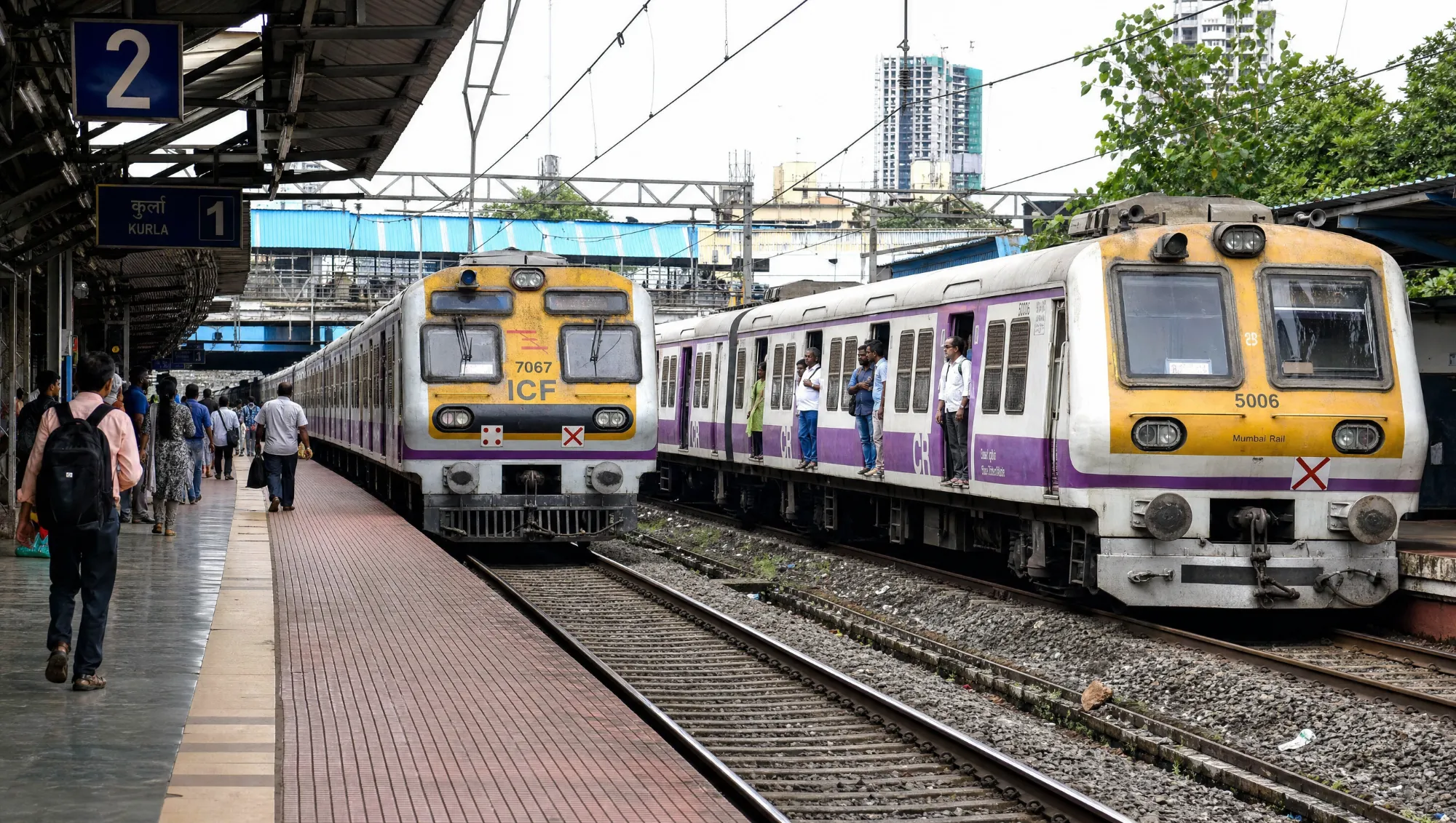
Passenger trains stop at nearly every station along a railway line, so they're cheap but slow. In large cities, Indian Railways also runs suburban trains, such as Mumbai's famous local trains, which carry millions of commuters a day. Visitors can ride them, but avoid rush hours with luggage.
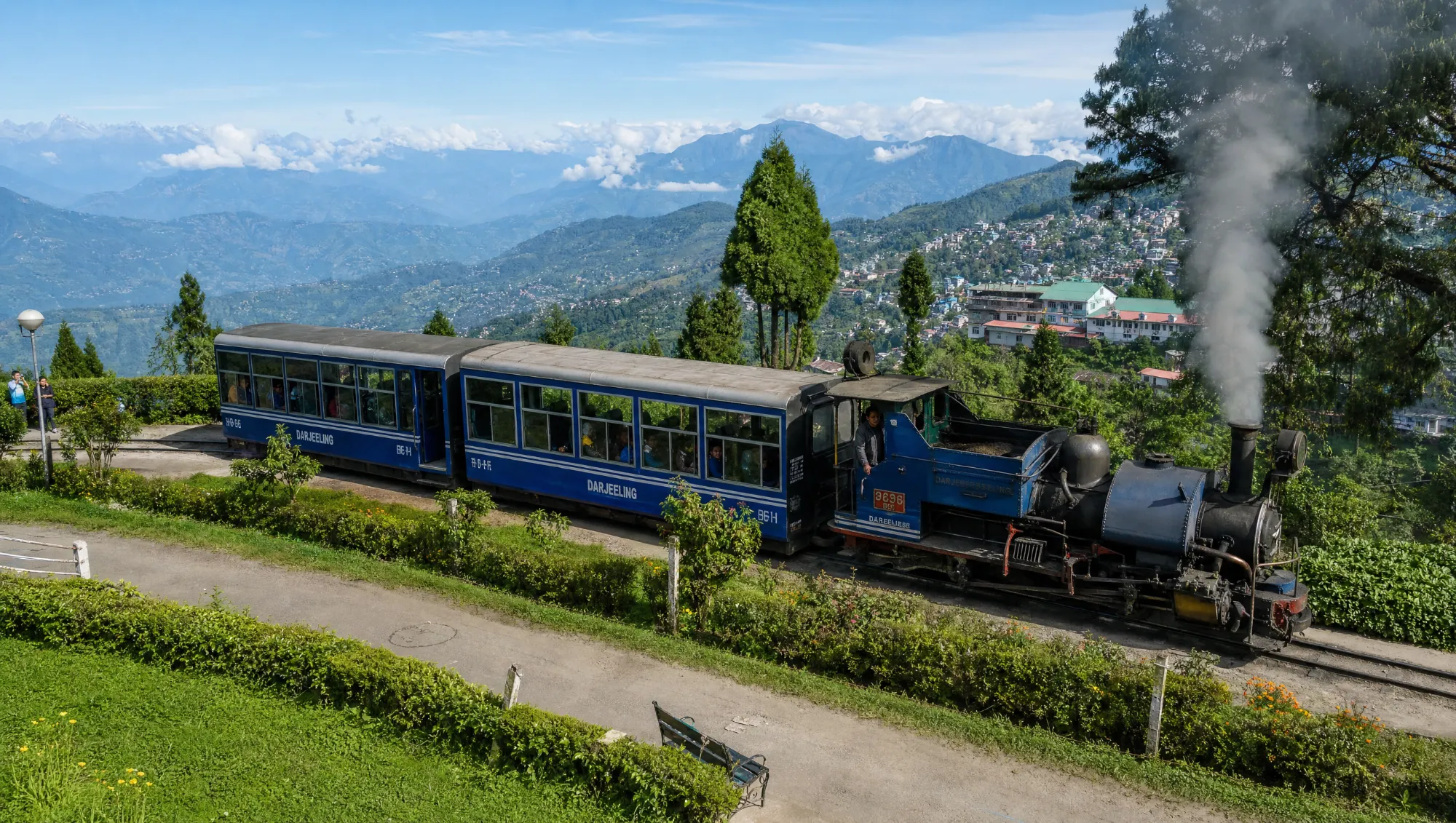
India's narrow-gauge toy train lines climb into the hills and are UNESCO-listed as the Mountain Railways of India:
Seats are limited and these sell out fast in peak season, so book early.
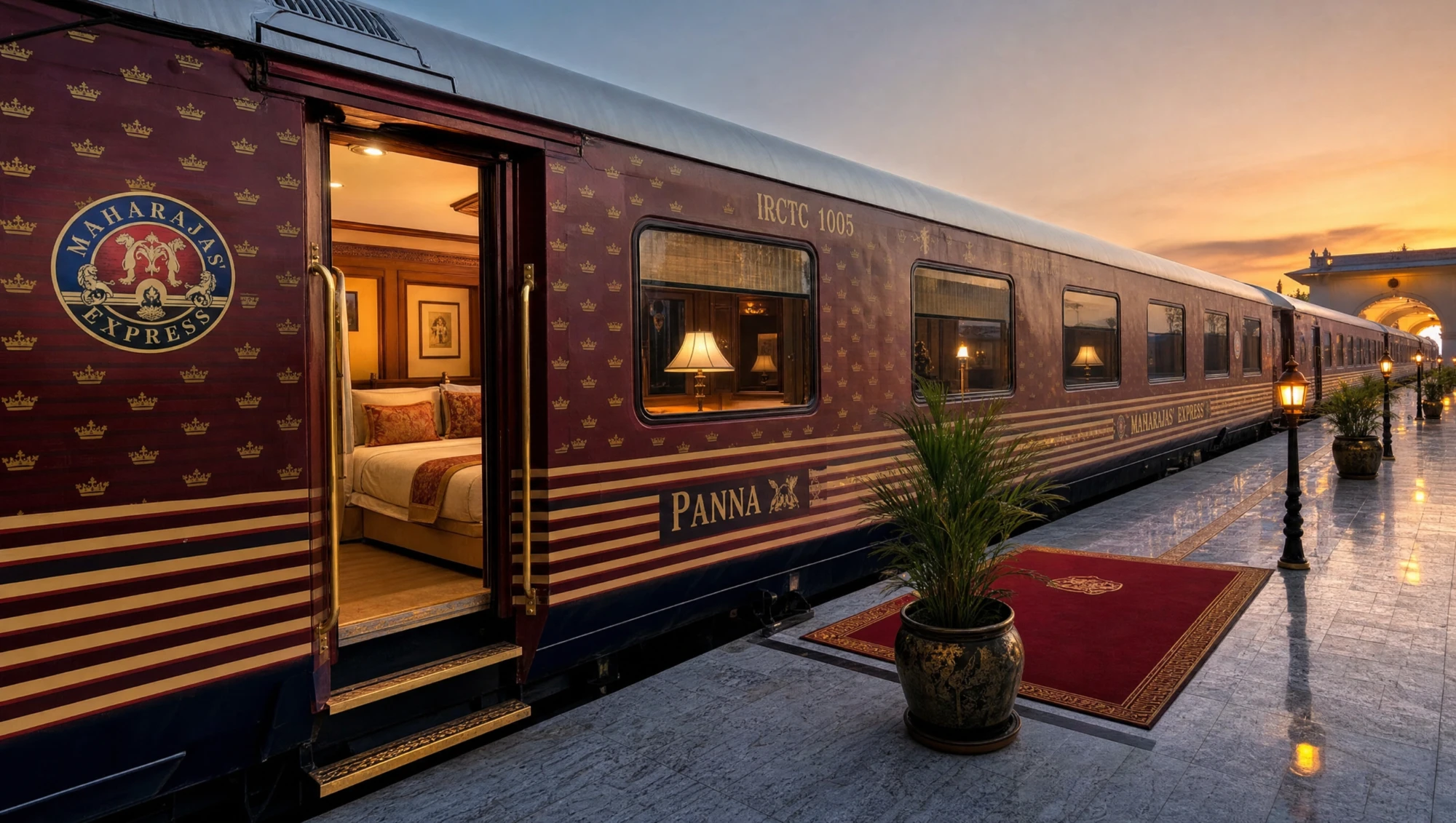
Luxury tourist trains are rolling hotels on multi-day itineraries, with private cabins, fine dining and guided excursions, and meals included. Well-known names are Palace on Wheels and Maharajas' Express in Rajasthan and North India, Deccan Odyssey in Maharashtra, and Golden Chariot in South India. They are sold as tour packages rather than regular train tickets.
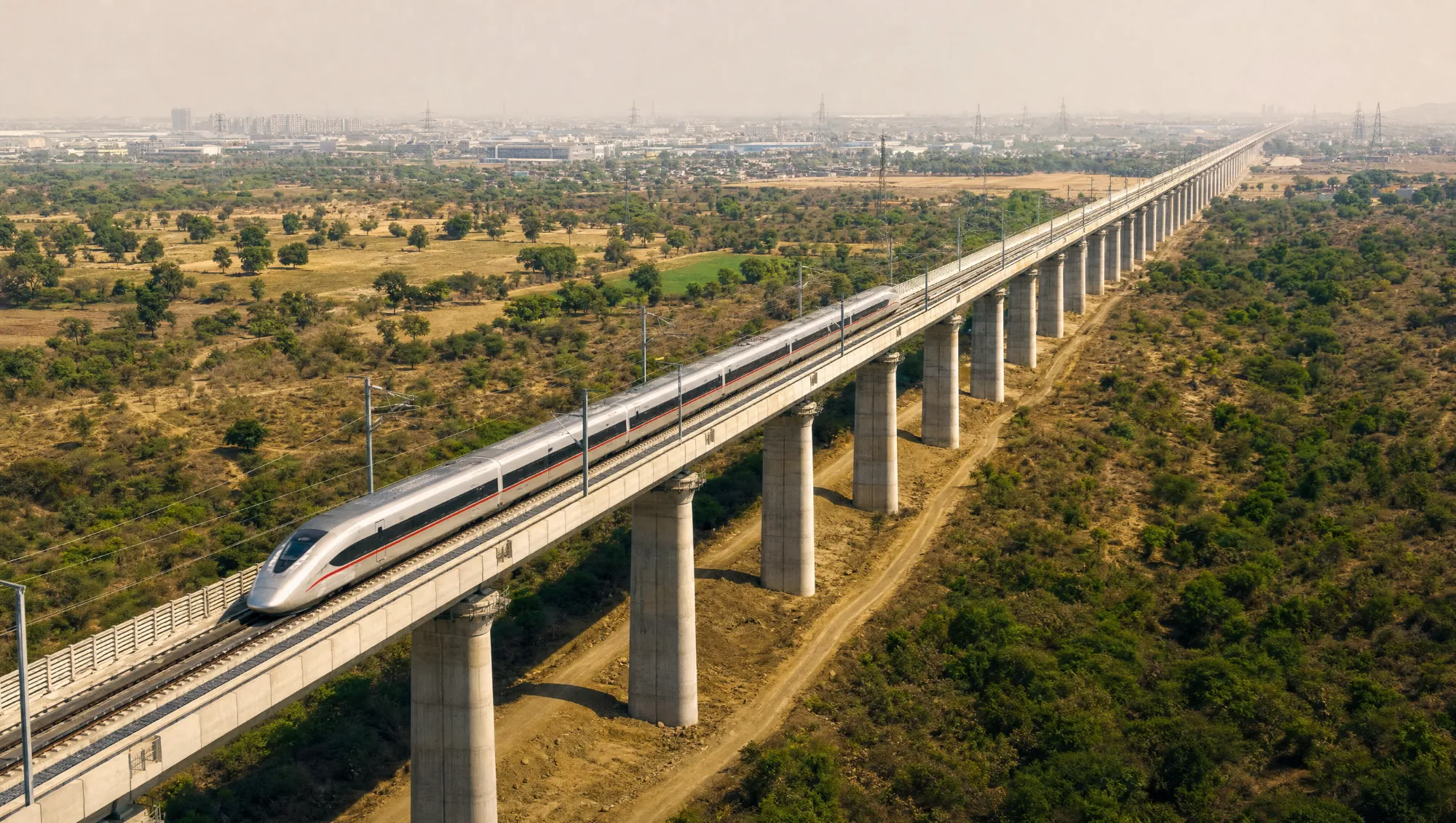
The Mumbai–Ahmedabad High-Speed Rail project, India's first bullet train, is under construction on a 508 km line built with Japanese Shinkansen technology. It is designed for 320 km/h and should cut the trip to around 2–3 hours once it opens.
Indian Railways offers around 11 classes of travel, but most visitors choose between AC 2-Tier, AC 3-Tier and AC Chair Car. Not every train carries every class: a Shatabdi has only seats, while most overnight Mail and Express trains mix sleeper class with two or three air conditioned classes.
Check fares for your dateAC First Class is the most luxurious class on regular Indian trains. You get a lockable private cabin of 2 or 4 berths, bedding, more space and fewer people per coach. It's only on selected trains, such as the Rajdhani Express, and costs roughly as much as a budget flight.
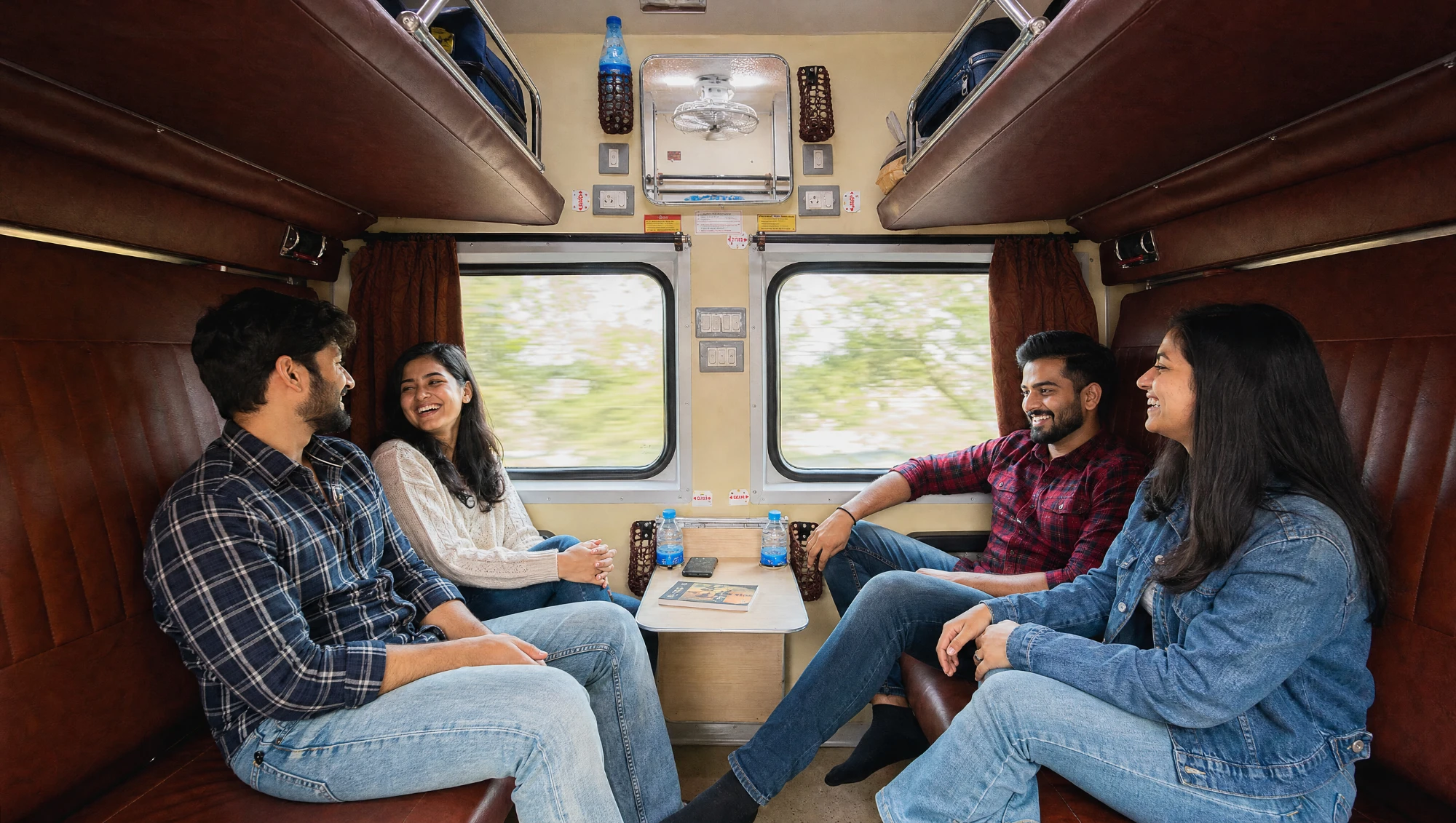
AC 2-Tier has two berths stacked on each side, with privacy curtains, reading lights and fresh bedding (sheets, pillows and blankets). It's the sweet spot for foreign travellers on overnight trips: calm, comfortable and about half the cost of First Class.
Third AC stacks three berths on each side, with no curtains. It's still air conditioned, with bedding and charging points for mobile phones, and offers great value. AC 3-Tier Economy (3E) is a slightly tighter, cheaper version found on some trains.
AC Executive Chair Class is the premium seating class on daytime trains like Shatabdi, Gatimaan and Vande Bharat. Seats are wider and arranged 2+2, with more legroom. On Vande Bharat the seats rotate to face the direction of travel.
AC Chair Class (AC Chair Car) offers reclining seats in a 3+2 layout. It's ideal for daytime journeys of 2–8 hours, and on Shatabdi and Vande Bharat trains meals are included or can be added at booking.
Sleeper class is the most common travel class on Indian trains for long-distance travel. Berths are stacked three high like AC 3-Tier, but there's no air conditioning, just fans and open windows, and no bedding. It's very cheap and gives you real local colour, but it gets hot and crowded in summer.
Second Class Sitting (2S) is a reserved seat in a non-AC coach, common on short daytime routes. General Class is unreserved seating: you buy a ticket at the station and board without a confirmed seat. It's often extremely crowded and not recommended for visitors with luggage.
For most visitors: take Vande Bharat, Gatimaan or Shatabdi for daytime hops, and Rajdhani or a Mail/Express in AC 2-Tier for overnight journeys.
| Train type | Top speed | Best for | Classes | Meals included | Air conditioned |
|---|---|---|---|---|---|
| Vande Bharat Express | 160 km/h (designed 180) | Fast daytime trips between major cities | EC, CC (sleeper version: 1A, 2A, 3A) | Optional, added at booking | Fully |
| Gatimaan Express | 160 km/h | Delhi–Agra day trips | EC, CC | Yes | Fully |
| Shatabdi Express | 150 km/h | Daytime intercity, up to ~8 hours | EC, CC | Yes | Fully |
| Rajdhani Express | ~130 km/h | Premium overnight trips to/from New Delhi | 1A, 2A, 3A | Yes, plus bedding | Fully |
| Duronto Express | ~130 km/h | Fast long-distance, few stops | 1A, 2A, 3A, SL | On AC classes | Partly |
| Mail / Express | 110–130 km/h | Most routes, overnight and long distance | 1A–3A, SL, 2S, GN (varies) | Pantry car on many | Partly |
| Passenger trains | Slow | Small towns, short hops | 2S, GN | No | Rarely |
| Toy trains | ~10–30 km/h | Scenic hill rides | First class, second class | No | No |
| Luxury trains | Leisurely | Multi-day tour packages | Private cabins | Yes, all | Fully |
| Class | Code | Layout | Bedding | AC | Best for |
|---|---|---|---|---|---|
| AC First Class | 1A | Lockable 2- or 4-berth cabins | Yes | Yes | Maximum privacy overnight |
| AC 2-Tier | 2A | 2 berths per side, curtains | Yes | Yes | Best value comfort overnight |
| AC 3-Tier | 3A | 3 berths per side | Yes | Yes | Budget-friendly comfort overnight |
| AC 3-Tier Economy | 3E | 3 berths per side, tighter | Yes | Yes | Cheapest AC berth |
| AC Executive Chair | EC | 2+2 wide seats | n/a (seats) | Yes | Premium daytime trips |
| AC Chair Car | CC | 3+2 reclining seats | n/a (seats) | Yes | Daytime trips up to ~8 hours |
| Sleeper Class | SL | 3 berths per side, fans | No | No | Very low cost, local experience |
| Second Sitting | 2S | Reserved bench seats | No | No | Short non-AC hops |
| General | GN | Unreserved | No | No | Not recommended for visitors |
Most visitors ride the same handful of major routes, starting with the Golden Triangle of Delhi, Agra and Jaipur in North India. Journey times below are typical for the fastest trains and vary by service.
| Route | Fastest trains | Approx. time | Why ride it |
|---|---|---|---|
| New Delhi → Agra | Gatimaan, Shatabdi, Vande Bharat | 1 h 40 min – 2 h | Taj Mahal day trip |
| New Delhi → Jaipur | Shatabdi, Vande Bharat | ~4–4.5 h | Golden Triangle, Rajasthan |
| Agra → Jaipur | Shatabdi, Express trains | ~4 h | Completes the Golden Triangle |
| New Delhi → Varanasi | Vande Bharat | ~8 h | Ganges ghats |
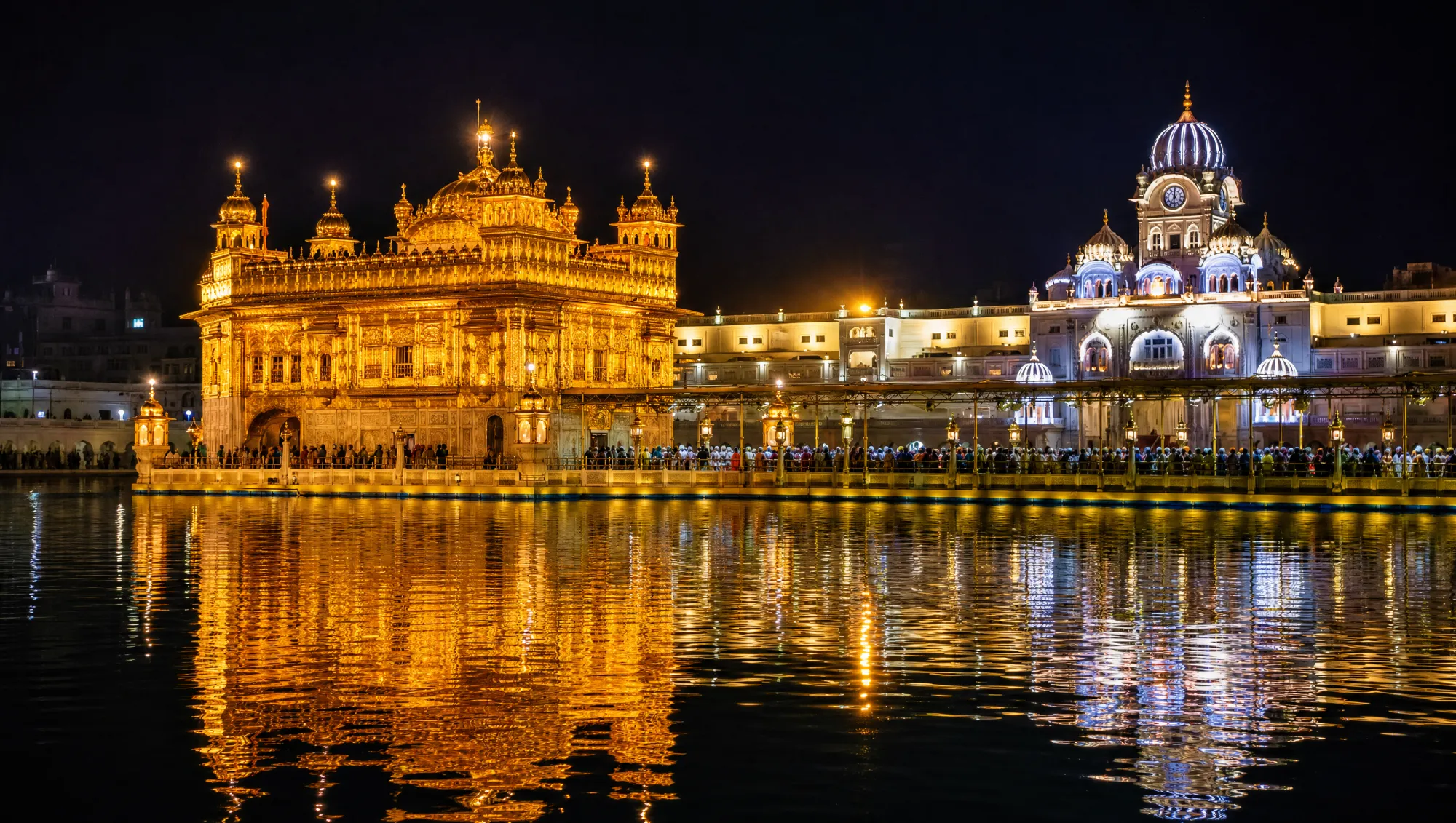
| New Delhi → Amritsar | Shatabdi, Vande Bharat | ~5.5–6 h | Golden Temple |
| Mumbai → Goa | Vande Bharat, Konkan Railway expresses | ~8 h | Scenic coastal line, beaches |
| Mumbai → New Delhi | Rajdhani | ~16 h overnight | Classic long-distance ride |
Know your station before you book, because big cities have several. In the capital, New Delhi railway station (NDLS) is the main hub for Shatabdi and Rajdhani trains. Delhi Junction (Old Delhi) and Hazrat Nizamuddin handle many other trains, including the Gatimaan Express.
In Mumbai, Chhatrapati Shivaji Terminus (CSMT, formerly Victoria Terminus) serves trains heading south and east. Mumbai Central handles many trains to Gujarat and Delhi, including the Mumbai Rajdhani. Other major stations include Howrah (Kolkata), Chennai Central in Tamil Nadu, and Varanasi Junction in Uttar Pradesh.
Most stations display the train number and coach position on boards near the platforms. Arrive 30 minutes early at large stations, since finding your coach can take time.
Book as early as you can: popular trains sell out, and confirmed tickets on major routes can be gone weeks ahead. The search above lets you compare trains, check seat availability and book an e ticket in English with an international card, with no Indian mobile number or local payment gateway needed.
Reservations open 60 days before travel (not counting the travel date), at 08:00 India time. This advance reservation period was cut from 120 days in November 2024. A few daytime trains, such as the Taj Express, have shorter booking windows.
The Foreign Tourist Quota sets aside seats on many popular trains for foreign passport holders, and these can be booked up to 365 days in advance. It's the best way for foreign travellers to get confirmed seats on busy trains at short notice. Carry your passport on board, since the ticket checker will match it to your booking.
Tatkal tickets are a last-minute quota released one day before travel at a higher fare. Online Tatkal booking now requires an Aadhaar-verified account, so it's mostly not an option for foreign visitors. Plan ahead or use the Foreign Tourist Quota instead.
Indian Railways also reserves berths under the ladies quota, senior citizen and lower-berth quotas, and a quota for passengers with mobility issues. These are allocated automatically when you're eligible.
Every booking gets a 10-digit PNR number. A ticket may be confirmed, RAC (Reservation Against Cancellation, a shared berth) or waitlisted (WL). Check your PNR status before you leave for the station, since waitlisted tickets often clear as others cancel. A fully waitlisted e ticket that doesn't clear is cancelled and refunded automatically, and you can't board on it.
The official IRCTC website and IRCTC app need an Indian-style account and mobile number verification, and the payment gateway often declines foreign cards. That's why most visitors book through an English-language search like the one on this page.
Compare trains, classes and seat availability, then pay with an international card.
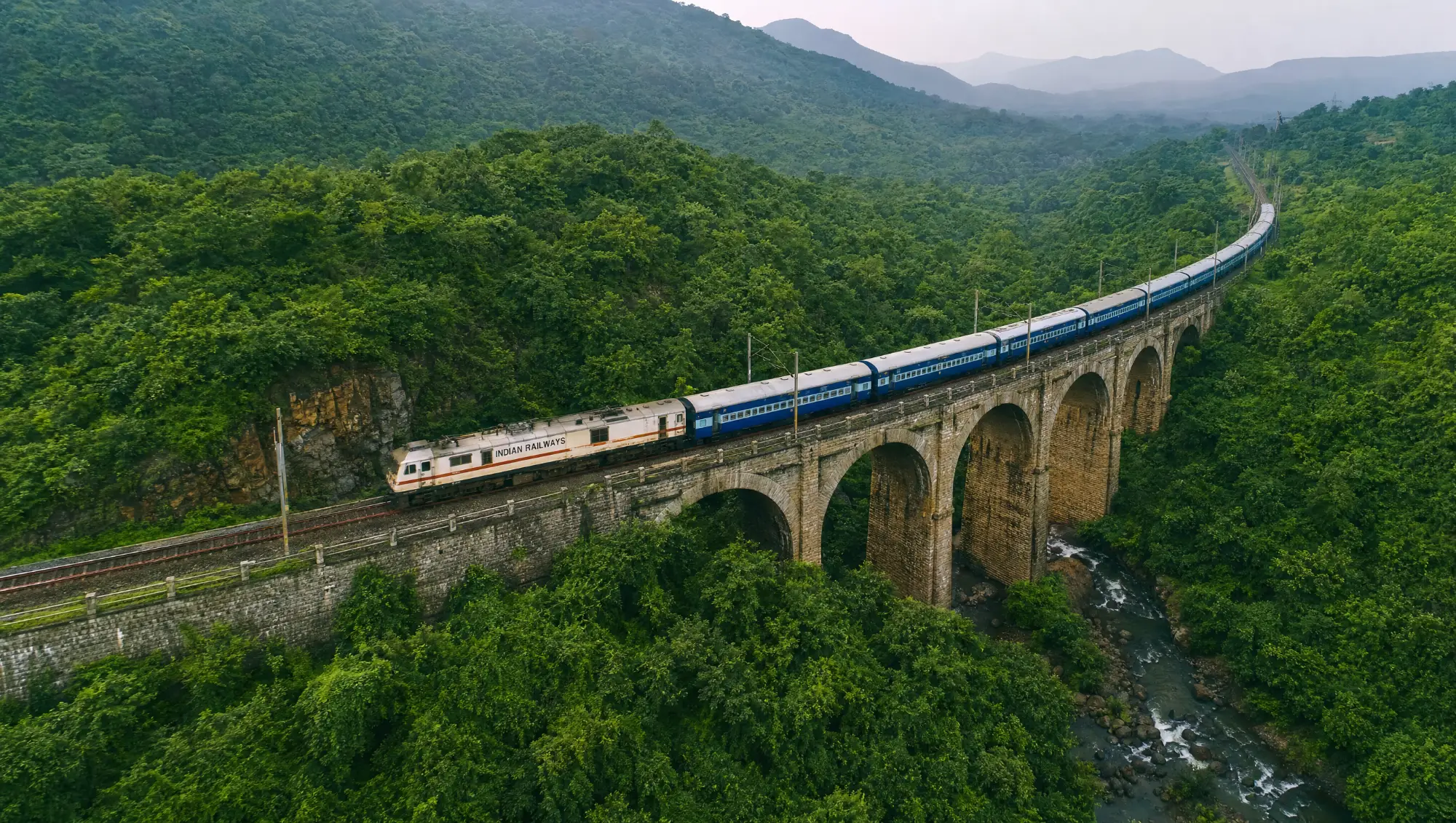
Indian trains are generally safe for families and solo travellers, and Indian Railways employs more than 1.2 million staff across the network. A little preparation makes the journey hassle free.

General reservations open 60 days before travel. Foreign passport holders can book under the Foreign Tourist Quota up to 365 days ahead on many popular trains.
For overnight trains, AC 2-Tier offers the best mix of comfort, privacy and price. For daytime trips, AC Chair Car or AC Executive Chair Class on a Shatabdi or Vande Bharat is ideal.
Vande Bharat Express and Gatimaan Express run at up to 160 km/h. India's first true high-speed line, Mumbai–Ahmedabad, is still under construction.
Meals are included on Rajdhani, Shatabdi and Gatimaan trains and are optional on Vande Bharat. On other trains you can buy food from the pantry car or vendors.
Yes, Indian trains are generally safe for families and solo travellers. Lock your luggage, watch for pickpockets at busy stations, and call 139 if you need help.
A waitlisted (WL) ticket has no seat yet. It may become confirmed if others cancel, so check your PNR status before travel. A fully waitlisted e ticket is cancelled automatically and can't be used to board.
Sleeper class is the most common class on Indian trains: non-AC coaches with three berths stacked per side. It's very cheap but hot in summer and doesn't include bedding.
Yes. Gatimaan Express and Shatabdi Express get you from Delhi to Agra in under 2 hours, leaving plenty of time to visit and return the same evening.